5 Reasons to Get Anti-Slip Shoes for Home
What are anti-slip shoes?
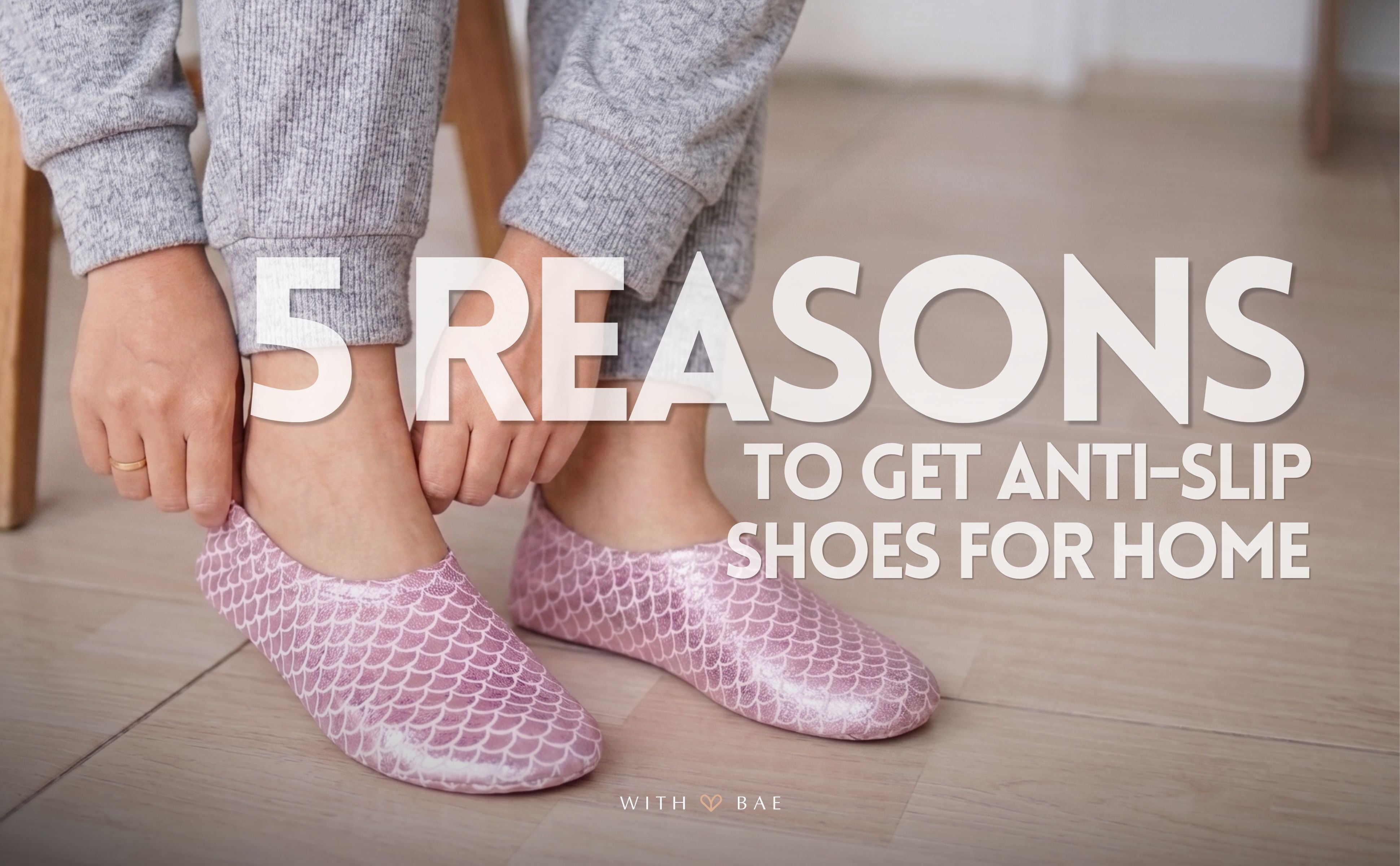
Anti-Slip Shoes are slip-resistant safety footwear designed to improve traction and reduce slipping on surfaces where friction is reduced by water, smooth finishes, or contaminants. Their function is defined by grip performance rather than whether they are used indoors or outdoors.
In house environments, slip risk is often underestimated because flooring materials such as tile, marble, and laminate can become hazardous when wet or polished. The purpose of anti-slip footwear is to stabilize movement under those conditions by increasing frictional contact between the sole and the ground.
This article focuses on five fact-based reasons why anti-slip shoes are relevant for home use, based on surface physics, mobility safety, and hygiene behavior.
Why do anti-slip shoes matter on wet floors?
Wet floors reduce the natural friction between the foot and the ground, which increases the probability of slipping during movement. This is especially common in kitchens, bathrooms, and laundry areas where water exposure is frequent.
Anti-slip shoes address this by maintaining traction even when a thin layer of water is present. The outsole increases surface contact stability and reduces lateral sliding during weight transfer. In practical terms, this means walking, turning, or stopping becomes more controlled even on wet tiles.
The functional value here is not prevention of all slips, but reduction of uncontrolled motion caused by temporary friction loss.
5 Reasons to Get Anti-Slip Shoes for Home

Reason 01 - Reduce slipping on wet home floors
Wet surfaces reduce friction between the foot and the ground, which increases the chance of losing balance during walking or turning. This is most common in kitchens, bathrooms, and laundry areas.
Anti-slip shoes reduce this risk by maintaining surface grip even when water is present. The outsole material increases friction and helps prevent sideways sliding during movement.
Reason 02 - Improve grip on smooth surfaces like tile and marble
Smooth flooring materials such as ceramic tiles and marble have low natural friction because their surfaces are polished.
When these surfaces are dry or slightly wet, they can still cause instability during quick movement. Anti-slip shoes improve grip by using tread patterns and rubber compounds that increase contact stability between the sole and the floor.
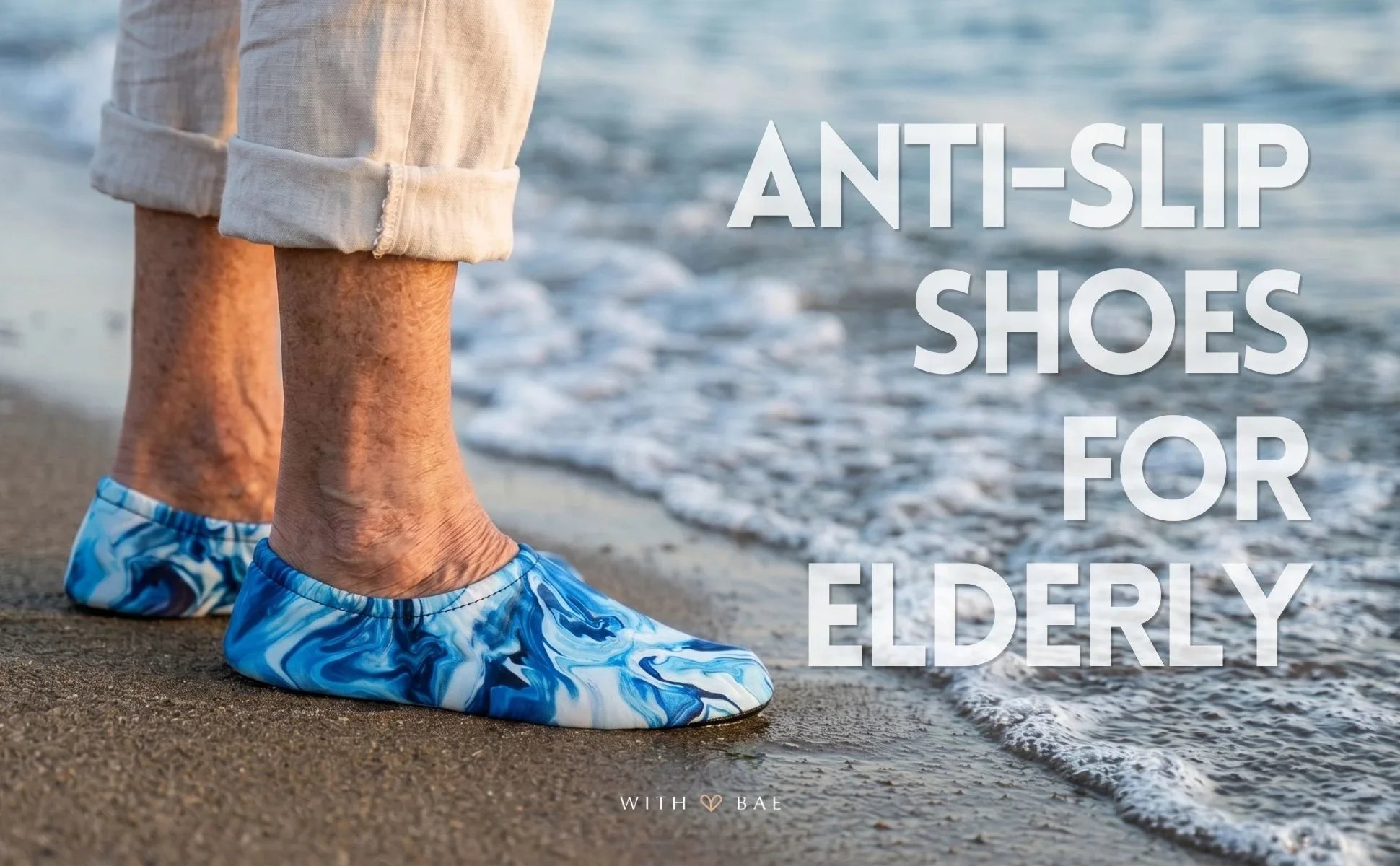
Reason 03 - Help reduce fall risk for elderly people
Older adults are more vulnerable to slips due to reduced balance control, slower reflexes, and weaker recovery from sudden instability.
Anti-slip shoes improve stability by providing consistent traction during walking and reducing unexpected foot sliding. This lowers the probability of fall incidents in high-risk indoor areas.
Reason 04 - They provide comfort for long hours of home use
Many anti-slip shoes are designed with cushioning and ergonomic support, making them suitable for extended wear during daily home activities. This includes cooking, cleaning, or standing for long periods. The comfort level depends on design, but many models balance grip performance with wearability.
Reason 05 - They support better hygiene and cleaner floors
Anti-slip shoes reduce direct contact between bare feet and household floors, which helps limit the transfer of dirt and outdoor contaminants into living spaces. They also reduce the spread of dust and oils across rooms, helping maintain cleaner floor surfaces over time.
Conclusion
Anti-slip shoes are not limited to indoor or outdoor use. Their function is based on slip resistance and traction control. In home environments, they are useful because they reduce slipping on wet floors, improve grip on smooth surfaces, support safer movement for elderly users, provide comfort for long wear, and contribute to better hygiene.